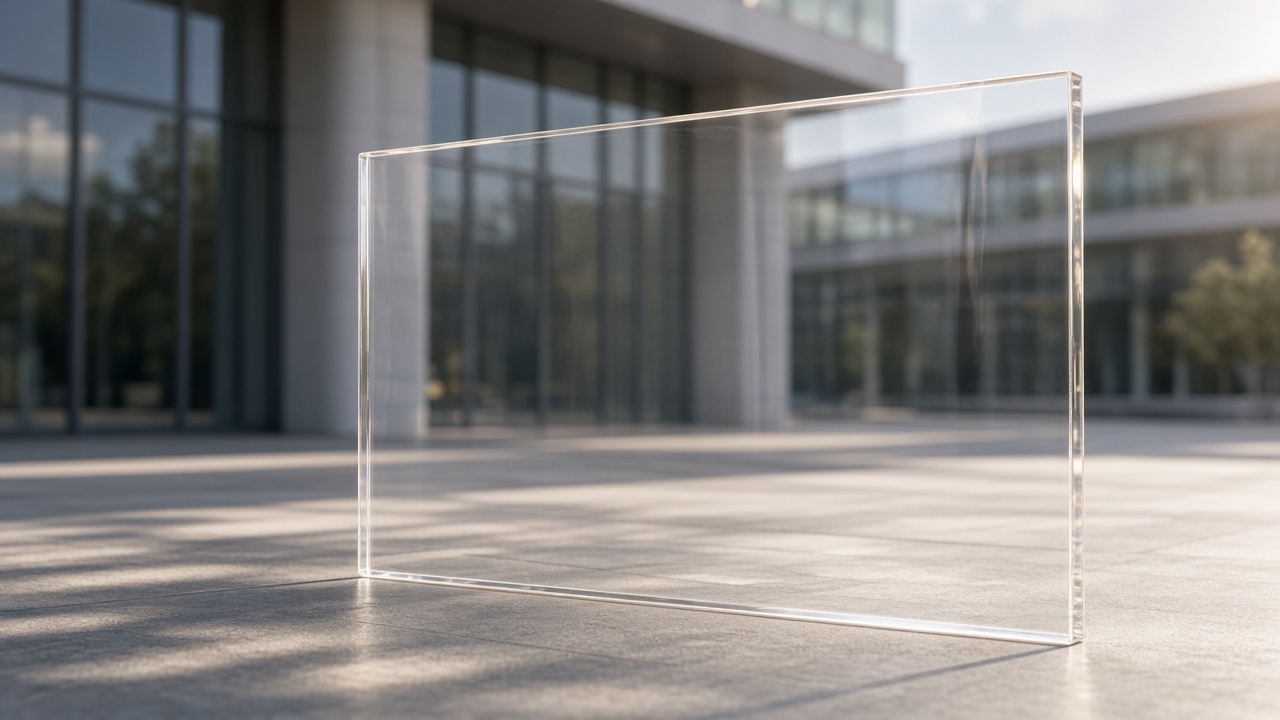
• Anti-UV Cast Acrylic for Outdoor Signage: How to Choose Thickness, Clarity and Weather Performance?
    Oct 14, 2026
    Anti-UV Cast Acrylic for Outdoor Signage: How to Choose Thickness, Clarity and Weather Performance?

    Anti-UV Cast Acrylic for Outdoor Signage: How to Choose Thickness, Clarity and Weather Performance? Anti-UV cast acrylic sheet is specified for outdoor signage, billboard faces, plaza fascias, skylight inserts and architectural panels that remain in sunlight for years rather than weeks. Standard indoor acrylic can yellow, haze or lose surface gloss under prolonged UV exposure; UV-stabilized cast PMMA is formulated to slow that aging while retaining the clarity, impact resistance and fabricability buyers expect from acrylic. Selecting the grade is not only a matter of asking for “UV protection.” Thickness, clear versus colored sheet, mounting method, edge detailing and cleaning practice all influence how the panel looks after one or more outdoor seasons. This guide covers the main checks before you order anti-UV cast acrylic sheet for outdoor signage and architectural use. 1. What Is Anti-UV Cast Acrylic Sheet? Anti-UV cast acrylic is PMMA cast with UV stabilizer systems designed to reduce ultraviolet-driven yellowing, fading and surface degradation. Typical clear grades target high light transmission (often around 92–93% for optical clear sheet) with weatherability suitable for exterior sign cabinets, canopies and decorative outdoor panels. Cast production from virgin MMA supports optical clarity and machining quality for laser cutting, CNC routing, drilling, bonding and thermoforming. That combination makes anti-UV cast sheet a practical alternative to glass for many lightweight outdoor glazing and signage faces where fabricators need shop-floor processing rather than glass-shop workflows. PropertyAnti-UV Cast AcrylicStandard Indoor Acrylic UV stabilizerBuilt-in for outdoor aging resistanceOften limited or absent Yellowing risk in sunReduced vs. untreated sheetHigher under long UV exposure Typical light transmission (clear)Approx. 92–93%High when new; may decline outdoors Primary applicationsOutdoor signs, skylights, exterior panelsIndoor displays, temporary graphics Buyer focusWeather life + clarity/color retentionInitial appearance and cost 2. Why UV Yellowing Matters for Outdoor Projects Ultraviolet radiation breaks down polymer chains and can shift clear acrylic toward a yellow cast, dull colored faces and make illuminated cabinets look dirty even when the graphics are new. For brand owners, early yellowing reads as poor quality; for fabricators, it drives warranty claims and costly face replacements. Anti-UV grades do not make acrylic immune to every outdoor stress. Heat cycling, pollution, abrasive cleaning and poorly designed mounting can still damage a panel. Specifying UV-stabilized sheet is the material half of outdoor durability; installation design and maintenance are the other half. If the outdoor project is an illuminated channel letter or lightbox face that also needs a controlled day/night look, treat optical day & night performance and UV weatherability as two specification lines—or select an outdoor-capable illuminated grade after sample approval. Category options for illuminated faces are listed under day & night acrylic sheet for LED channel letters and light boxes. 3. Selecting Thickness for Outdoor Signage and Architectural Panels Outdoor thickness selection must account for panel size, wind load, support spacing, thermal expansion and whether the sheet is a thin poster face, a rigid cabinet door or a structural decorative panel. Thicker sheet improves rigidity and impact resistance but adds weight and cost; thinner sheet is easier to light and handle but may flutter or bow in wind if unsupported. Typical ThicknessSuitable UsesKey Consideration 1.0–2.0 mmPoster overlays, light graphic faces, laminated buildsNeeds continuous support; limited spanning 2.0–3.0 mmSmall outdoor signs, shallow cabinets, letter facesBalance of weight and stiffness 3.0–5.0 mmStandard outdoor light-box doors, fascias, totemsCommon range for sign shops 5.0–8.0 mmLarger cabinets, partitions, canopy insertsBetter wind and impact performance 8.0–15 mm+Architectural panels, barriers, heavy glazing substitutesEngineering review for spans and fixings Up to ~30 mm (project)Special thick panels and custom blanksConfirm machine capacity and handling These ranges are general purchasing references. For elevated billboards, coastal wind zones or large unsupported spans, the structural design—not only the acrylic catalog—should govern thickness and fixing centers. Always leave allowance for thermal expansion in outdoor frames. 4. Clear vs. Colored Anti-UV Acrylic Clear anti-UV sheet maximizes daylight transmission for skylights, protective windows, greenhouse-style panels and transparent architectural features. Colored anti-UV sheet prioritizes brand color retention on illuminated signs, nameplates and decorative exterior cladding. Frosted or translucent anti-UV grades softens glare for lighting diffusers and privacy screens that still need outdoor aging resistance. Color retention outdoors depends on pigment system and UV package together. Deep reds, yellows and some brand oranges are more sensitive to fade than many neutrals; approve outdoor-exposed samples when the project is color-critical. For clear sheet, evaluate yellowness index expectations and whether the view-through must stay water-clear for the design life. Sheet TypeOutdoor RoleSpecification Focus Clear anti-UVSkylights, barriers, transparent fasciasTransmission, yellowness resistance, scratch care Colored anti-UVBrand letters, colored cabinets, décor panelsColor match + fade resistance Translucent / frosted anti-UVDiffusers, soft glow screens, privacyDiffusion uniformity + weather life Tinted optical panelsCanopies, solar-control decorative glazingShade value vs. clarity trade-off 5. Weather, Temperature and Environmental Exposure Outdoor acrylic faces temperature swings, rain, dust, pollution and, in some markets, freeze–thaw cycles. PMMA has a higher coefficient of thermal expansion than aluminum or steel frames; rigid edge clamping without expansion gaps is a common cause of bowing or stress cracking. Chemical exposure also matters. Aggressive solvents, strong alkaline cleaners and some sealants can haze or crazing acrylic. Specify compatible gaskets, sealants and cleaning agents in the project package—not only the sheet grade. In coastal or industrial air, plan more frequent gentle cleaning so abrasive grit does not grind the surface during wiping. Exposure FactorRisk if IgnoredBuyer / Designer Action Direct sun / UVYellowing, fade, surface agingSpecify anti-UV cast grade; sample if critical Heat / cold cyclingBowing, joint stressExpansion gaps; avoid over-clamping Wind loadFlutter, fastener pull-outCorrect thickness and support spacing Rain / moistureStaining at edges, water ingress in cabinetsDrain details; compatible seals Cleaning chemicalsHaze, crazingMild soap; ban abrasive pads and harsh solvents 6. Fabrication and Processing for Outdoor Blanks Anti-UV cast acrylic fabricates like other cast PMMA: laser cutting, CNC routing, drilling, polishing, bonding and thermoforming are routine when parameters match thickness. Leave masking film on through as much of the process as possible so outdoor faces arrive without install-stage scratches that weather will highlight. ProcessTypical Outdoor UsePractical Tip Cut to sizeCabinet doors, fascia blanksProvide finished dimensions and tolerance Laser / CNCLetters, logos, decorative screensSupport large sheets; manage heat on thick stock DrillingMechanical fixings, drainage holesOversized holes or slots for thermal movement PolishingVisible edges on thick panelsFinish edges before site exposure ThermoformingDomed faces, formed canopiesTrial formability on the specified UV grade BondingBox builds, edge jointsOutdoor-compatible adhesives; test UV-exposed bonds For architectural runs, agree on flatness, protective film brand/type and packing so panels do not develop permanent set in transit. Thick clear panels show packaging marks easily under grazing sunlight. 7. Where Anti-UV Cast Acrylic Is Used Typical outdoor and semi-outdoor applications include: Outdoor signage: Light-box doors, billboard overlays, totem faces and shopfront fascias. Illuminated exterior letters: Weather-facing brand letters requiring UV-stable faces. Architectural panels: Decorative screens, canopy inserts, balustrade infills and feature cladding. Skylights and daylight features: High-transmission clear panels with UV stabilization. Protective barriers: Corridor and equipment guards that see daylight through glazing openings. Exhibition and plaza installations: Medium-term outdoor displays where yellowing would be visible. Indoor-only decorative products—such as colored acrylic mirror used for retail interiors—follow different coating and environment rules. If your package mixes outdoor clear panels with indoor mirror décor, specify each material family separately rather than forcing one grade into both roles; see the site guide on choosing colored acrylic mirror sheet thickness and finish for reflective indoor selections. 8. Outdoor Mounting Checklist Material choice fails if mounting ignores acrylic behavior outdoors. Use the checklist below when releasing drawings to the fabricator or installer. Mounting ItemWhat to Confirm Support spacingCenters suitable for thickness, wind region and panel size Fixing methodFrame capture, screws with bushings, standoffs or adhesive systems rated for outdoor acrylic Hole designClearance holes or slots for expansion; avoid tight bolts crushing the sheet Edge engagementAdequate bite in rubber/gasket channels without point loads Sealants & gasketsCompatible with PMMA; no solvent attack DrainageWeep paths so water does not pond against edges Dissimilar metalsAvoid hard point contact that scratches during thermal movement Access for cleaningSafe reach so maintenance does not require abrasive shortcuts 9. A Practical Specification Checklist for Buyers Prepare the following before requesting a quotation or production sample. SpecificationInformation to Provide MaterialAnti-UV cast acrylic / UV-stabilized PMMA ResinVirgin MMA cast preference if required AppearanceClear, colored, frosted or translucent Color referenceSample, Pantone/RAL or approved swatch for colored sheet ThicknessRequired mm or structural range Sheet sizeStandard sheet or cut-to-size blanks EnvironmentFull sun, partial shade, coastal, high wind, pollution ApplicationSign face, skylight, barrier, cladding, other ProcessingLaser, CNC, drill, polish, form, bond Mounting conceptFrame type, fixing centers, expansion allowance QuantitySheets, panels or phased project volume Standards / docsAny required test reports or certificates for the project 10. How to Avoid Common Outdoor Ordering Problems Do not substitute indoor clear sheet for a long-term exterior face to save cost; early yellowing is expensive to remediate at height. Do not select thickness from price lists alone when wind load and span are unknown—ask the façade or sign engineer for support spacing first. Do not rigid-bolt large panels without expansion clearance. Do not approve colored outdoor faces from indoor lighting only; check samples in daylight. Avoid abrasive pads and ammonia-heavy glass cleaners on acrylic. For illuminated outdoor cabinets, confirm both UV grade and lighting design so a weatherable face is not paired with an underpowered or overheating LED layout. Keep lot records for phased projects. Reordering “clear 5 mm UV” months later without a retained sample or batch note can introduce a slight tone difference that shows when old and new panels sit on the same elevation. 11. Choosing a Supplier for Outdoor and Architectural Supply Distributors, signage contractors and architectural fabricators should verify that the supplier can state UV-stabilized cast construction, thickness tolerance, available sizes, color options and recommended outdoor use conditions in writing. Sample panels—ideally aged or at least from production, not only lab chips—help validate clarity and color before volume release. Capacity and repeatability matter when a project ships in phases or when a retail network needs matching replacements years later. Ask about protective film, packing for export and documentation (for example CE, RoHS, SGS or ISO-related quality system support where required by the buyer’s market). For mixed material packages, keep categories distinct: anti-UV cast for weather faces, day & night grades for illuminated dual-look letters, and mirror acrylic for indoor reflective décor—each with its own checklist. Request the Right Anti-UV Acrylic Specification The right anti-UV cast acrylic sheet depends on more than a UV label. Thickness, clear versus colored appearance, weather exposure, mounting design and fabrication method all determine whether the panel still looks acceptable after outdoor service. Confirming these points before ordering reduces field failures and replacement cycles. For custom orders, provide size, thickness, clear or color reference, quantity, outdoor application details, processing needs and mounting concept. These inputs allow a more accurate quotation and a grade recommendation matched to the project—not only a stock thickness. Contact JBJ Acrylic (Jinbaijie) to request specs or samples: sales@jbjacrylic.com · +86-18317059511 · No.1 Jingsan Road, Gaoxin Zhizaoyuan, Xiejiaji District, Huainan City, Anhui Province. Contact Us Address: No.1 Jingsan Road, Gaoxin Zhizaoyuan, Xiejiaji District, Huainan City, Anhui Province Tel: +86-18317059511 Email: sales@jbjacrylic.com

    Read More
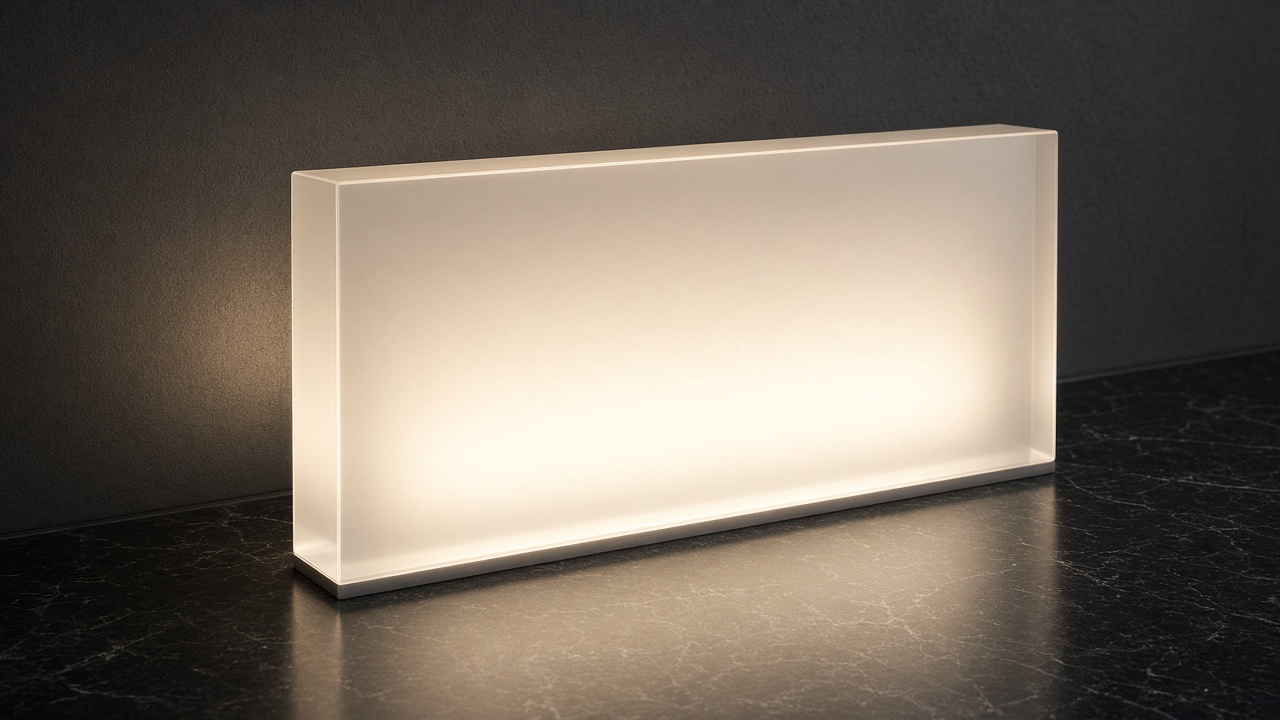
  • Day & Night Acrylic Sheet: How to Choose Face Color, Night Glow, Thickness and Optical Grade?
    Oct 14, 2026
    Day & Night Acrylic Sheet: How to Choose Face Color, Night Glow, Thickness and Optical Grade?

    Day & Night Acrylic Sheet: How to Choose Face Color, Night Glow, Thickness and Optical Grade? Day & night acrylic sheet is specified for illuminated channel letters, advertising light boxes and storefront fascias that must look finished in daylight and deliver a controlled glow after the LEDs switch on. Unlike a standard translucent diffuser that only matters when lit, this material is evaluated in two states: the unlit face color and the illuminated appearance. For buyers and fabricators, the risk is ordering a sheet that looks right on a sample under office light but fails on a full-size letter or lightbox—too dark by day, muddy at night, or too thin for the span. This guide explains how to choose daytime face color, night glow, thickness, optical grade and fabrication details before you request a quotation for day & night acrylic sheet for LED signage. 1. What Is Day & Night Acrylic Sheet? Day & night acrylic (also called dual-color, black-to-white, or illuminated face acrylic depending on the SKU) is a cast PMMA sheet engineered so the front face reads as a solid or brand-matched color when unlit, then transmits LED light evenly when backlit. Construction and pigment loading differ from ordinary clear or translucent acrylic: the sheet must hide the LED modules and returns by day without blocking too much light at night. Most commercial grades are cast from virgin MMA for optical consistency and surface quality. Cast sheet generally offers better thickness uniformity and fewer internal stresses than extruded alternatives for letter faces and lightbox doors that will be laser-cut or CNC-routed. PropertyDay & Night AcrylicStandard Translucent Diffuser Daytime appearanceSolid or brand face color when unlitOften looks milky or unfinished when off Night appearanceControlled glow matching LED / tint designBright wash; less “face” identity when off Typical useChannel letters, light boxes, shopfront logosGeneral light panels, ceilings, softboxes Buyer focusDay color + night transmission balanceHiding lamps and even diffusion Material baseUsually cast PMMA / virgin MMA gradesCast or extruded translucent acrylic 2. Why Specify Day & Night Material for Channel Letters and Light Boxes? Illuminated signs are judged twice: during business hours when the fascia is unlit, and after dark when the brand must still be readable from the street. A day & night face keeps the letter or panel looking intentional when the power is off—important for premium retail, hotels and roadside logos where a translucent “off” look can appear unfinished. From a fabrication standpoint, using a purpose-made illuminated face reduces trial-and-error with paint films, vinyl overlays or multi-layer laminates that can peel, yellow or create hotspots. One correctly specified sheet can serve as the finished face after cutting, polishing and mounting into the letter return or lightbox frame. For outdoor storefronts and long sun hours, confirm weather and UV expectations separately. Day & night optical performance and long-term outdoor yellowing resistance are related but not identical purchasing decisions; many projects pair illuminated faces with anti-UV cast acrylic sheet for outdoor exposure on non-illuminated panels or specify outdoor-capable day & night grades for the lit faces. 3. Choosing Daytime Face Color Daytime face color is the first visual decision clients make. Options commonly include black-to-white, colored dual faces (brand red, blue, green and custom tints), frosted day & night surfaces, and other dual-color constructions. The unlit face should match brand guidelines under the lighting where the sign will sit—not only under showroom LEDs. Approve a physical sample against the brand color reference. Screen proofs and photos compress contrast and can make a near-black face look charcoal or a deep brand red look brown. For multi-site rollouts, lock a master sample and require lot-to-lot color matching against that reference. Daytime FaceTypical Unlit LookCommon Sign Applications Black / near-blackQuiet, premium fascia; hides LEDs stronglyHigh-contrast channel letters, boutique logos Brand solid colorColored face matching Pantone / RAL targetRetail letters, franchise kits, mall fascias Frosted day & nightSoft matte face; conceals modulesRefined interiors, hotels, soft-glow light boxes Dual / color-changing stylesDesigned day hue; night may shift with LED colorCampaign light boxes, creative displays White / light daytime faceBright by day; easier night glowCabinets needing maximum luminance 4. Balancing Night Glow and Light Transmission Night performance depends on pigment density, sheet thickness, LED type (modules vs. strip), module spacing, letter depth and supply voltage. A face that looks perfect by day can still underperform at night if transmission is too low for the available lumen package, or show LED hotspots if diffusion is too weak. Ask the supplier for guidance on recommended LED density for the chosen grade and thickness, or run a small mock-up letter with the same modules and depth you will use on site. Record viewing distance: a roadside logo needs different luminance than a mall directory letter viewed at three meters. Night PrioritySpecification FocusPractical Note Maximum brightnessHigher transmission grade; thinner face if rigidity allowsMay soften daytime “solid” look Even wash / no hotspotsStronger diffusion; frosted or optimized pigment loadCheck module pitch and letter depth Color fidelity when litOptical grade + LED color temperature matchWarm white vs. cool white changes perceived brand color High day contrastDarker unlit face (e.g. black-to-white)Plan LED power carefully for night readability 5. Selecting Thickness for Letter Faces and Lightbox Doors Thickness must balance optical path length, rigidity, screw or clip retention, and thermoforming or bending if the design requires it. Thicker sheet increases rigidity and can deepen the daytime color, but it also reduces transmission and adds weight. Thin faces are easier to light evenly but may bow on large unsupported spans. Typical ThicknessSuitable UsesKey Consideration 2.0–3.0 mmSmall channel letter faces, shallow logosLight and easy to process; check span rigidity 3.0–4.0 mmStandard channel letters and mid-size light boxesCommon balance of glow, strength and cutting 4.0–5.0 mmLarger letter faces, cabinet doors, outdoor fasciasBetter flatness on wider openings 5.0–8.0 mmLarge light-box doors, architectural illuminated panelsConfirm LED power; heavier handling and mounting 8.0 mm+Special structural or deep illuminated panelsProject-specific optical and fixing review These ranges are purchasing references, not design codes. Actual thickness depends on letter width, clip spacing, wind load (for outdoor cabinets) and whether the face is trapped in a frame or screw-fixed. For large doors, confirm flatness tolerance and protective film quality before production. 6. Optical Grade, Clarity and Cast Quality “Optical grade” in this context means consistent light transmission, low haze where a clean glow is required, stable pigment distribution and a surface that does not show flow lines or contamination in the lit state. Virgin MMA cast sheet is typically preferred for advertising faces because recycled content can introduce haze, color shift or stress that shows under LED wash. Request thickness tolerance, color tolerance and, for critical brands, a lit and unlit sample from the production process—not only a sales swatch. If the project uses cool-white LEDs, evaluate the sample under the same CCT; a face approved under warm office light can look cooler or greener on site. Optical FactorWhat to ConfirmWhy It Matters Base resinVirgin MMA / cast PMMA gradeClarity and batch consistency Transmission / diffusionSuitability for your LED packageNight brightness and hotspot control Surface finishGloss, frosted or specified textureDay look and module concealment Thickness toleranceAgreed mm tolerance across the sheetFit in returns and even glow Protective filmMasking retained until installAvoids scratches that show when lit 7. Fabrication Notes for Sign Shops Day & night acrylic is processed with familiar acrylic tools, but illuminated faces reveal scratches, haze and edge quality more clearly than opaque panels. Keep protective film on during cutting and edge finishing whenever the process allows. Laser cutting and CNC routing are common for letter faces; polishing improves edge appearance on thicker doors. ProcessTypical PurposePractical Tip Laser cuttingLetter faces, logos, complex outlinesTune power/speed for clean edges without burn haze CNC routingLarge doors, slots, precision openingsSupport the sheet to avoid chatter on thin faces DrillingScrew holes, stand-offs, weep or vent holesUse sharp bits; support exit side to prevent chips Edge finishingVisible edges on thick cabinetsFlame or polish after cutting for optical edges Bending / formingSpecial 3D or radius facesConfirm grade is formable; trial on offcuts BondingReturns, laminations, edge jointsUse acrylic-compatible cements; test bond on lit samples When ordering cut-to-size faces, supply drawings with overall dimensions, radii, hole positions and quantities. Note whether dimensions are finished face sizes or cutting sizes including trim. For channel letters, confirm whether the acrylic sits in a trim cap, glued return or screw-fixed retainer—each affects edge clearance. 8. Where Day & Night Acrylic Is Used The material fits projects that need a finished daytime face and reliable night illumination: Channel letters: Front-lit and halo-capable logos for retail, restaurants and roadside brands. Advertising light boxes: Cabinet doors and faces for malls, transit hubs and outdoor posters. Storefront fascias: Illuminated brand bands that must look clean during the day. Interior illuminated signs: Directories, reception logos and wayfinding with soft or high-contrast glow. Exhibition and temporary campaigns: Dual-look panels where LED color or campaign graphics change. Architectural illuminated features: Feature walls and logo walls with even wash lighting. For mixed projects that also need reflective decorative panels indoors, specification paths differ from illuminated faces; decorative mirror acrylic is a separate category with coating and backing requirements rather than day/night transmission design. 9. A Practical Specification Checklist for Buyers Before requesting a quotation, assemble the following. Complete information lets the supplier recommend grade, thickness and finish without guesswork. SpecificationInformation to Provide MaterialDay & night / dual-color cast acrylic (PMMA) Daytime face colorBlack, brand color, frosted or custom reference Night appearance targetWhite glow, tinted glow, even wash, brightness priority ThicknessRequired mm or acceptable range Sheet or cut sizeStandard sheet or finished face dimensions Optical / resin gradeVirgin MMA cast preference, outdoor or indoor use Surface finishGloss, frosted or specified texture LED conditionsModule type, CCT, letter/cabinet depth if known ProcessingLaser, CNC, drilling, polishing, forming QuantitySheets, faces or project volume ApplicationChannel letters, light box, fascia, interior or outdoor 10. How to Avoid Common Ordering Problems Several failures are preventable at the RFQ stage. Do not choose thickness only on price: a thin face on a wide lightbox door can bow and create uneven glow. Do not approve color from a phone photo alone; request a physical sample viewed both unlit and backlit with your LED type. Do not ignore module spacing and letter depth when chasing a darker daytime face—higher contrast by day usually needs more careful lighting design at night. For outdoor illuminated signs, confirm weatherability and cleaning methods; abrasive cleaners will haze a face that looks flawless when new. Keep protective film on until final install so micro-scratches do not appear as bright lines under LED wash. For repeat franchise or multi-city rollouts, archive the approved sample, thickness, LED CCT and drawing revision. Reordering “the same black face” without a reference often produces a different night white or daytime density. 11. Choosing a Supplier for Illuminated Sign Programs Sign companies, distributors and project contractors need more than a catalog swatch. A capable supplier should confirm cast grade, thickness tolerance, color reference, sheet size options and whether the day & night formulation is intended for indoor cabinets, outdoor fascias or both. Check whether production samples can be supplied for laser-cut letter faces or full lightbox mock-ups before volume release. Batch consistency matters when the same logo ships to multiple sites over months. Manufacturer background, capacity and export experience can be reviewed on the company JBJ Acrylic About Us page when evaluating long-term supply. For bulk programs, agree on packaging, protective film type and labeling so shop-floor teams can identify day face vs. night-critical lots without mixing grades. Request the Right Day & Night Acrylic Specification The right day & night acrylic sheet depends on more than a single color name. Daytime face, night glow, thickness, optical grade, LED conditions and fabrication method all affect the finished channel letter or light box. Confirming these points before ordering reduces remakes and helps the face perform in both operating states. For custom orders, send required size, thickness, daytime color reference, night appearance target, quantity, application (indoor/outdoor) and processing drawings. Include LED type or letter depth when available so the quotation can reflect a realistic optical recommendation. Contact JBJ Acrylic (Jinbaijie) to request specs or samples: sales@jbjacrylic.com · +86-18317059511 · No.1 Jingsan Road, Gaoxin Zhizaoyuan, Xiejiaji District, Huainan City, Anhui Province. Contact Us Address: No.1 Jingsan Road, Gaoxin Zhizaoyuan, Xiejiaji District, Huainan City, Anhui Province Tel: +86-18317059511 Email: sales@jbjacrylic.com

    Read More
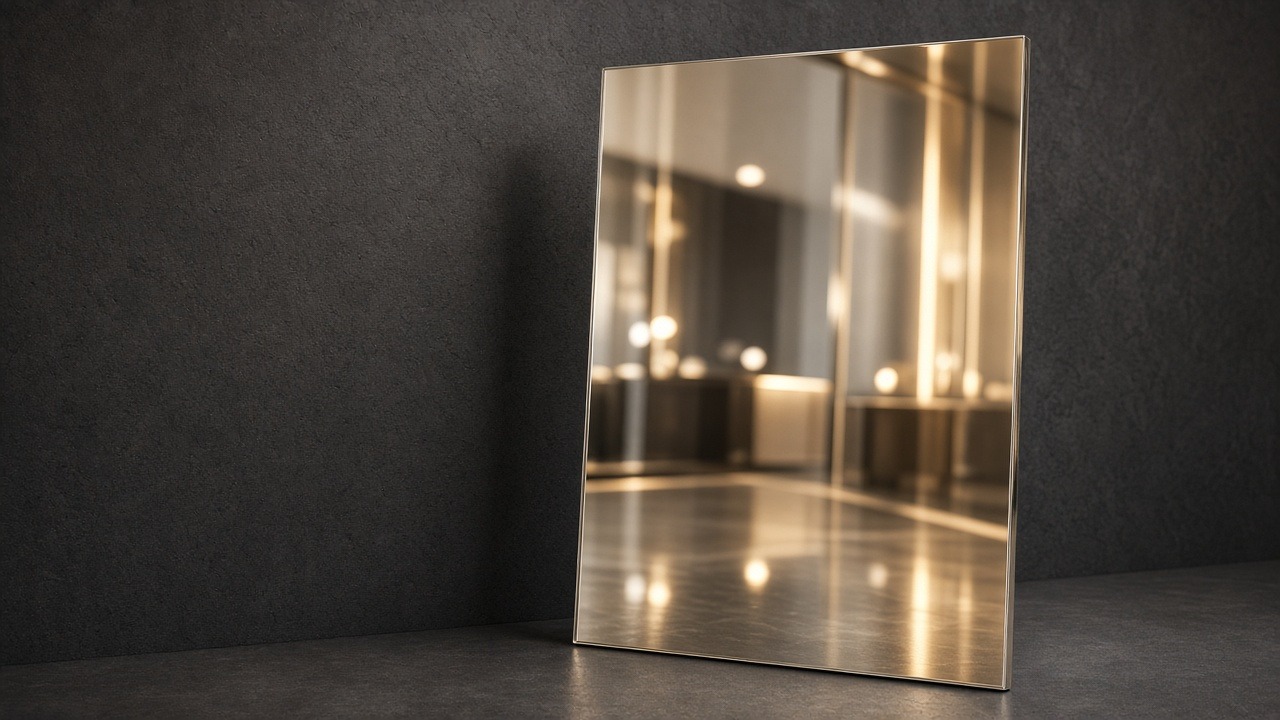
  • Colored Acrylic Mirror Sheet: How to Choose the Right Material, Thickness and Finish?
    Sep 22, 2026
    Colored Acrylic Mirror Sheet: How to Choose the Right Material, Thickness and Finish?

    Colored acrylic mirror sheet is used in retail displays, signage, interior decoration, furniture, exhibitions and decorative panels where a reflective surface is required without the weight and handling demands of conventional glass. Made from acrylic (PMMA) with a reflective coating, it combines a mirror-like appearance with easy cutting and fabrication. For buyers, however, choosing the right sheet is not simply a matter of selecting a color. Thickness, sheet size, mirror type, backing, processing method and installation conditions can all affect the final result. This guide explains the main specifications to check before placing an order and how to match them with the intended application. 1. What Is Acrylic Mirror Sheet? Acrylic mirror sheet is a PMMA panel with a reflective coating applied to one surface. The acrylic substrate provides a lower-density alternative to glass, while the mirror coating creates the reflective appearance required for decorative and display applications. A typical acrylic substrate has a density of around 1.19–1.20 g/cm³, compared with approximately 2.5 g/cm³ for common glass. This difference means that an acrylic mirror panel of the same dimensions can be substantially lighter than a glass mirror. Property Acrylic Mirror Conventional Glass Mirror Base Material PMMA acrylic Glass Typical Density Approx. 1.19–1.20 g/cm³ Approx. 2.5 g/cm³ Handling Lightweight and easier to handle Heavier and more fragile Fabrication Cutting, drilling, CNC and laser processing Requires glass-specific processing Color Options Silver, gold, bronze, blue, red, green and custom colors More limited 2. Why Choose Acrylic Mirror for Decorative and Display Projects? The main advantage of acrylic mirror is the combination of reflective appearance and fabrication flexibility. It can be supplied in different colors and thicknesses and can be cut into letters, geometric patterns, logos or other shapes. For large displays or installations where handling weight is important, the lower density of PMMA can also simplify transportation and positioning. Acrylic is also less likely than glass to produce sharp shards when broken, which can be relevant for public-facing displays and decorative installations. Another advantage is processing. A custom acrylic mirror sheet can be supplied according to specified dimensions and processed by cutting, drilling, CNC routing or engraving. This is useful when the buyer needs finished components rather than full standard sheets. 3. Selecting the Right Thickness Thickness should be selected according to sheet size, mounting method, required rigidity and the level of handling expected during installation. Typical Thickness Suitable Uses Key Consideration 0.8–1.0 mm Light decorative elements, craft and temporary displays Flexible and easy to process 1.5–2.0 mm Retail displays, signage and decorative panels Good balance of weight and rigidity 2.5–3.0 mm Wall decoration, furniture and commercial displays Greater rigidity for larger panels 4.0–6.0 mm Larger decorative panels and demanding fabrication Higher rigidity and structural support These ranges are general purchasing references rather than universal design rules. Actual requirements depend on panel dimensions, support spacing and installation conditions. For large panels, it is important to confirm flatness and mounting conditions before production. 4. Color Selection Is More Than an Appearance Choice Silver remains the conventional mirror finish, but colored mirror acrylic is increasingly useful for projects where the reflective surface is part of the visual design. Common options include gold, rose gold, bronze, blue, red, green, yellow, black and other tinted finishes. Color should be evaluated under the lighting conditions where the product will be installed. A gold or bronze mirror may appear significantly different under warm retail lighting compared with daylight. For repeat orders, buyers should approve a physical sample or reference color before mass production. Color Typical Visual Effect Common Applications Silver Traditional bright reflection Signage, interiors, displays Gold Warm metallic appearance Retail, furniture, decoration Rose Gold Soft metallic tone Cosmetic and fashion displays Bronze Warm and subdued reflection Interior decoration, furniture Blue / Green Colored reflective effect Exhibitions, creative displays Red / Yellow Strong visual accent Advertising and decorative panels 5. Consider the Mirror Type and Backing Not every acrylic mirror product has the same construction. Buyers should confirm whether they need a standard single-sided mirror, double-sided mirror, two-way mirror or adhesive-backed version. The backing is particularly important because the reflective coating is located behind the acrylic substrate. A protective backing can help protect the reflective layer during handling and installation. For projects requiring direct mounting, adhesive-backed material can reduce installation steps. For larger panels, however, the substrate condition, adhesive compatibility and mounting method should be reviewed before production. 6. Processing Options for Custom Acrylic Mirror Acrylic mirror can be fabricated into different shapes and dimensions, but the mirror coating needs to be considered during processing. Cutting parameters, tool selection and handling methods can affect the finished edge and reflective coating. Processing Method Typical Purpose Cut to Size Producing panels to specified dimensions Laser Cutting Complex shapes, letters and decorative patterns CNC Routing Profiles, cut-outs and precision components Drilling Mounting holes and mechanical fixing Engraving Logos, patterns and decorative details Edge Finishing Improving edge appearance and handling When ordering cut to size acrylic mirror, provide a drawing whenever possible. The drawing should identify overall dimensions, hole locations, cut-outs, corner radii and quantity. This reduces interpretation errors during production and makes quotation more accurate. 7. Where Is Acrylic Mirror Sheet Used? The material is suitable for applications where appearance, weight and fabrication flexibility are important. Retail Displays: Product stands, cosmetic displays, shelves and visual merchandising fixtures. Signage: Decorative signs, logos, lettering and promotional panels. Interior Decoration: Wall panels, feature walls, partitions and decorative surfaces. Furniture: Cabinet inserts, decorative panels, vanity components and furniture accents. Exhibitions: Booth decoration, display structures and temporary installations. Events: Stage decoration, wedding displays and custom decorative elements. For commercial projects, buyers should consider cleaning methods and environmental exposure. Acrylic surfaces can be scratched more easily than glass, so suitable cleaning materials and installation practices should be specified for high-contact applications. 8. A Practical Specification Checklist for Buyers Before requesting a quotation, prepare the following information. A complete specification normally allows a supplier to recommend the appropriate material more efficiently. Specification Information to Provide Material PMMA / acrylic mirror Thickness Required thickness or acceptable range Sheet Size Standard sheet or custom dimensions Color Silver, gold, bronze, tinted or custom color Mirror Type Single-sided, double-sided or two-way Backing Standard backing, adhesive backing or project-specific option Processing Cutting, drilling, CNC, laser cutting or engraving Quantity Sheets, pieces or project volume Application Display, signage, furniture, interior or other use 9. How to Avoid Common Ordering Problems Several problems can be avoided by confirming specifications before production. Do not select thickness based only on price; a thinner sheet may be unsuitable for a large unsupported panel. Do not rely only on screen color when ordering colored mirror acrylic; request a physical sample when color consistency is important. For custom shapes, provide dimensioned drawings rather than photographs alone. For repeat projects, keep the approved sample, color reference and production specification on record. If the material will be installed outdoors or in a demanding environment, confirm UV resistance, backing performance and the manufacturer's recommended service conditions before ordering. 10. Choosing a Supplier for Bulk Orders For distributors, signage companies, furniture manufacturers and project contractors, supplier capability is as important as the basic material specification. A reliable supplier should be able to confirm PMMA grade, thickness tolerance, sheet dimensions, mirror coating, backing and protective film before production. It is also useful to check whether the supplier can provide consistent colors and dimensions across repeat batches. For buyers sourcing colored acrylic mirror sheet in production quantities, sample approval and documented specifications can reduce differences between initial and repeat orders. Ask for production samples when the project includes complex cutting or engraving. This allows the buyer to check edge quality, dimensions, reflective appearance and mounting compatibility before committing to a larger production run. Request the Right Acrylic Mirror Specification The right acrylic mirror sheet depends on more than color and appearance. Thickness, dimensions, mirror type, backing, processing and installation conditions all affect the finished product. By confirming these specifications before ordering, buyers can reduce fabrication problems and select a material that matches the actual requirements of the project. For custom orders, provide the required size, thickness, color, quantity, application and processing drawing. These details give the supplier enough information to evaluate the specification and prepare a more accurate quotation.

    Read More
leave a message
If you are interested in our products and want to know more details,please leave a message here,we will reply you as soon as we can.